

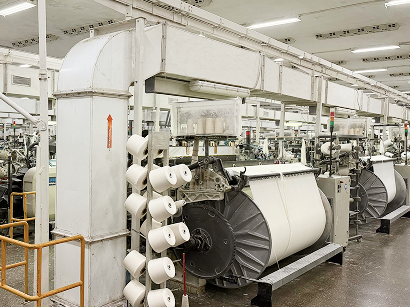
Weaving is a textile production technique that interlaces two sets of yarns or threads called warp and weft at right angles to form fabric. It is one of the oldest and most widely used methods for making cloth, ranging from simple everyday textiles to complex decorative fabrics.
How it’s Done:
- Warp Preparation: Longitudinal threads (warp) are arranged on a loom.
- Weft Insertion: Horizontal threads (weft) are passed over and under the warp threads.
- Loom Operation: This can be done manually using handlooms or with advanced automated looms for industrial-scale weaving.
- Finishing: The woven fabric is cut, treated, or dyed as needed.
Applications:
- Apparel: Shirts, trousers, dresses, denim, suiting fabrics
- Home Textiles: Curtains, upholstery, tablecloths, carpets
- Industrial Uses: Technical textiles, conveyor belts, safety gear
- Art and Craft: Traditional handwoven rugs, cultural fabrics
Types of Weaving:
- Plain Weave: Simple over-under pattern, durable and versatile
- Twill Weave: Diagonal rib pattern such as denim
- Satin Weave: Smooth, lustrous surface, often used in luxury fabrics
- Jacquard Weave: Complex patterns woven into the fabric using special looms
Benefits of Weaving Service:
Aesthetic Appeal: Unique textures and patterns add visual interest to fabrics
Strength and Durability: Woven fabrics are generally stronger than knitted or non-woven alternatives
Variety: Wide range of textures, weights, and designs possible
Customizability: Ability to produce both traditional and modern designs
